Female Hair Transplant

What Is Female Hair Transplant in Turkey?
Hair loss in women can affect the hairline, temples, parting, and overall scalp density. Unlike some forms of male pattern baldness, female hair loss often develops as widespread thinning rather than clearly defined bald areas. This makes accurate diagnosis and careful surgical planning particularly important.
For women considering permanent hair restoration, female hair transplant in Turkey refers to a surgical procedure that transfers healthy hair follicles from a suitable donor area to regions affected by permanent hair loss. The procedure commonly uses Follicular Unit Extraction (FUE) or, in selected cases, Follicular Unit Transplantation (FUT).
Not every woman experiencing hair thinning is a suitable candidate for transplantation. The cause of hair loss, donor hair quality, scalp health, and future progression must be evaluated before surgery. Some patients benefit more from medical treatment than from a hair transplant.
How Does Female Hair Transplantation Work?
Hair transplantation redistributes existing follicles rather than creating new ones. The surgeon identifies a donor region with relatively stable hair growth and determines where additional coverage can be achieved.
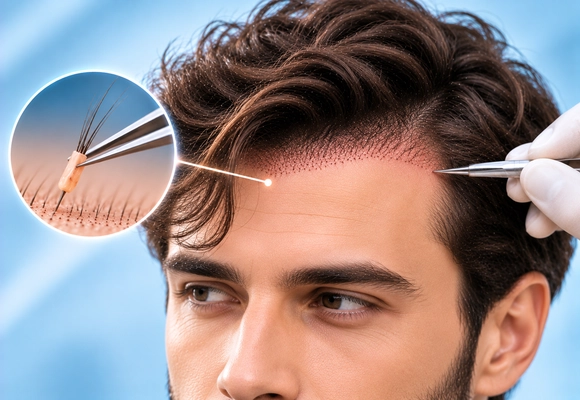
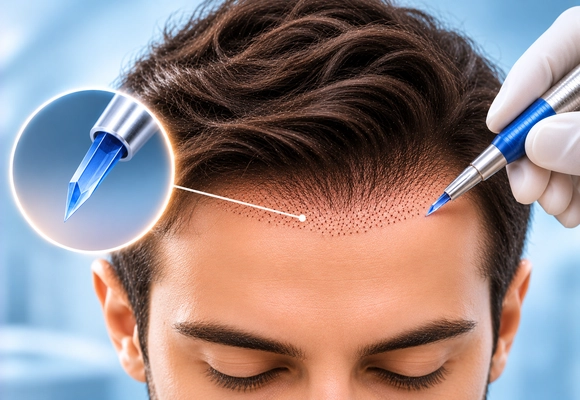
During a female hair transplant in Turkey, follicular units are harvested from the donor area and implanted into selected thinning regions. The surgical team carefully plans graft distribution, hair direction, and density to complement the patient’s existing hairstyle. Local anesthesia is generally used, and some procedures can be performed without completely shaving the head.
Who Is a Good Candidate for Female Hair Transplantation?
Surgical suitability depends on having a clearly diagnosed form of permanent hair loss and sufficient healthy donor follicles. Women with localized thinning, stable hairline recession, or certain mature scars may be appropriate candidates.
Before recommending a female hair transplant in Turkey, a qualified physician should examine donor density, hair shaft thickness, scalp health, and the likely progression of hair loss. Patients with widespread donor miniaturization, active inflammatory scalp disease, or temporary shedding may not benefit from surgery.
What Causes Hair Loss in Women?
Female hair loss can result from genetic susceptibility, hormonal changes, nutritional deficiencies, autoimmune conditions, medications, or physical stress on the follicles. Pregnancy, childbirth, menopause, and certain endocrine disorders may also influence the hair growth cycle.
Because these causes require different treatments, a female hair transplant in Turkey should only be considered after an appropriate medical assessment. Some conditions are reversible with medical care, while others cause permanent follicular loss. Identifying the underlying problem helps prevent unnecessary surgery.
What Types of Female Hair Loss Can Be Treated with Hair Transplantation?
Permanent hair loss may occur in localized areas or as part of a broader pattern of follicular miniaturization. The distribution of thinning and the condition of the donor region determine whether surgical restoration is practical.
For selected patients, a female hair transplant in Turkey may improve coverage affected by female pattern hair loss, stable traction alopecia, or certain inactive scars. However, active scarring alopecias, alopecia areata, and temporary shedding conditions generally require medical evaluation and treatment before transplantation is considered.
What Are the Benefits of Female Hair Transplantation?
Restoring hair in carefully selected areas can improve the appearance of scalp coverage and hairline definition. The procedure may be particularly useful when thinning is localized and the surrounding donor hair remains healthy.
When properly planned, a female hair transplant in Turkey can provide long-lasting growth from transplanted follicles and help create a natural-looking hairline. Some techniques also allow patients to preserve much of their existing hair length. However, results depend on graft survival, donor quality, and the progression of native hair loss.
What Are the Limitations of Hair Transplant Surgery for Women?
A hair transplant cannot create additional follicles or permanently stop hereditary thinning. Women with diffuse hair loss may have limited donor reserves, making it difficult to achieve meaningful improvements in density.
Patients considering a female hair transplant in Turkey should understand that surgery may not restore their previous hair volume. Existing hair can continue thinning after transplantation, and temporary shock loss may occur around the treated area. Some women require ongoing medical treatment to preserve their remaining hair.
Female Pattern Hair Loss vs. Male Pattern Baldness: What Are the Differences?
Androgenetic alopecia can affect both women and men, but its typical distribution often differs. Women commonly experience progressive thinning across the central scalp with widening of the hair part, while men more frequently develop a receding hairline and crown baldness.
These differences influence planning for a female hair transplant in Turkey, particularly when assessing donor stability and recipient-area density. However, hair loss patterns overlap, and some women experience frontal recession. The diagnosis should be based on clinical findings rather than sex alone.
How Is Female Hair Loss Diagnosed Before a Hair Transplant?
A detailed medical history and scalp examination help identify the cause and pattern of hair loss. The physician may ask about family history, medications, recent illness, menstrual changes, and the duration of thinning.
Before planning a female hair transplant in Turkey, dermatological assessment may include trichoscopy and targeted blood tests when clinically indicated. Tests for thyroid dysfunction, iron deficiency, or hormonal disorders may be appropriate in selected patients. A scalp biopsy may be needed when inflammatory or scarring alopecia is suspected.
Can Women with Diffuse Hair Thinning Get a Hair Transplant?
Diffuse thinning can affect a large portion of the scalp, sometimes including the areas normally used for donor harvesting. This makes donor evaluation particularly important.
In selected cases, a female hair transplant in Turkey may improve coverage when diffuse thinning primarily affects the recipient region and donor follicles remain stable. However, diffuse unpatterned alopecia can make transplantation unsuitable because the donor hair may also be vulnerable to ongoing loss.
Is Hair Transplantation Suitable for Women with Traction Alopecia?
Repeated tension from tight hairstyles, braids, extensions, and similar practices can damage hair follicles over time. Early traction alopecia may improve when the source of tension is removed, while prolonged damage can become permanent.
When follicular loss is stable, a female hair transplant in Turkey may restore coverage in selected areas affected by traction alopecia. However, ongoing tension must be eliminated before surgery. Active inflammation or continued traction can damage both existing and transplanted follicles.
Can Female Hair Transplantation Restore a Receding Hairline?
Hairline recession in women can result from hereditary thinning, traction alopecia, or certain inflammatory scalp disorders. The cause must be identified because some conditions continue progressing despite transplantation.
For suitable patients, a female hair transplant in Turkey may rebuild selected portions of a receding hairline using carefully positioned follicular grafts. Natural results require attention to hair direction, density, and facial proportions. Active frontal fibrosing alopecia, however, generally requires disease control and specialist evaluation before any surgical consideration.
Can a Hair Transplant Lower a Naturally High Forehead?
A naturally high forehead may reflect inherited facial proportions rather than a medical hair loss condition. Some women seek hairline advancement to create a different balance between the forehead and surrounding facial features.
In selected patients, a female hair transplant in Turkey can lower the visible hairline by placing follicles in front of the existing hairline. The achievable position depends on donor supply, scalp characteristics, and aesthetic planning. Hair transplantation should also be distinguished from surgical forehead reduction, which uses a different technique.
Female Hair Transplant in Turkey Prices 2026
In 2026, the cost of a female hair transplant in Turkey varies according to the number of grafts required, the selected surgical technique, and whether the procedure involves unshaven or partially shaved extraction.
Frequently Asked Questions
Is Female Hair Transplantation Safe in Turkey?
Hair transplantation is a surgical procedure with risks including infection, bleeding, scarring, and poor graft growth. A properly performed female hair transplant in Turkey can be safe in an authorized medical facility with qualified supervision. Patients should verify physician credentials, clinic standards, and postoperative care arrangements.
Is Hair Transplantation Effective for Women?
Surgical effectiveness depends on the cause of hair loss and the quality of available donor follicles. In suitable patients, a female hair transplant in Turkey can provide natural-looking coverage and long-lasting growth from transplanted grafts. However, women with extensive diffuse thinning or unstable donor hair may achieve limited results.
What Is the Best Age for a Female Hair Transplant?
Hair loss can develop at different stages of adulthood, and its progression varies between individuals. A carefully planned female hair transplant in Turkey should consider the stability of hair loss, donor reserves, and future thinning rather than age alone. There is no single ideal age for every patient.
Is Female Hair Transplantation Painful?
Local anesthesia is generally used to reduce discomfort during follicular extraction and implantation. Patients undergoing a female hair transplant in Turkey may experience brief stinging during anesthetic injections and mild scalp tenderness afterward. Severe or worsening pain should be evaluated by the treating physician.
Does Female Hair Transplantation Leave Visible Scars?
All surgical follicle harvesting techniques create some degree of scarring. Following a female hair transplant in Turkey, FUE may leave tiny circular scars, while FUT produces a linear donor scar. Scar visibility depends on the extraction method, healing, hair length, and donor-area density.
Can Women with Thin Hair Get a Hair Transplant?
Fine hair shafts and low donor density can limit the coverage achievable through transplantation. For selected patients, a female hair transplant in Turkey may still be possible when the donor follicles are healthy and sufficiently numerous. However, widespread follicular miniaturization may make surgery unsuitable.
Can Women with PCOS Undergo Hair Transplantation?
Polycystic ovary syndrome (PCOS) can contribute to androgen-related hair thinning in some women. A female hair transplant in Turkey may be considered when hair loss is appropriately evaluated, donor follicles are stable, and hormonal factors are adequately managed. Surgery does not treat PCOS itself or prevent continued thinning of native hair.
Can Hormonal Hair Loss in Women Be Treated with a Hair Transplant?
Hormonal changes can affect hair growth through several different mechanisms, some temporary and others progressive. In selected cases, a female hair transplant in Turkey may restore coverage after the underlying condition has been evaluated and hair loss has stabilized. Medical management is often necessary to protect existing follicles.
Can Women Get a Hair Transplant After Menopause?
Menopause can be associated with changes in hair density and the progression of female pattern hair loss. For suitable candidates, a female hair transplant in Turkey may improve coverage after menopause when donor hair remains healthy. Age alone does not determine eligibility, but overall health and the pattern of thinning must be considered.
Can Hair Transplantation Treat Postpartum Hair Loss?
Hair shedding after childbirth is commonly caused by temporary changes in the hair growth cycle and often improves over several months. Because this condition is usually reversible, a female hair transplant in Turkey is generally not the first treatment option for postpartum shedding. Persistent or unusual hair loss should be assessed for other contributing conditions before surgery is considered.