Afro Hair Transplant
What Is Afro Hair Transplant in Turkey?
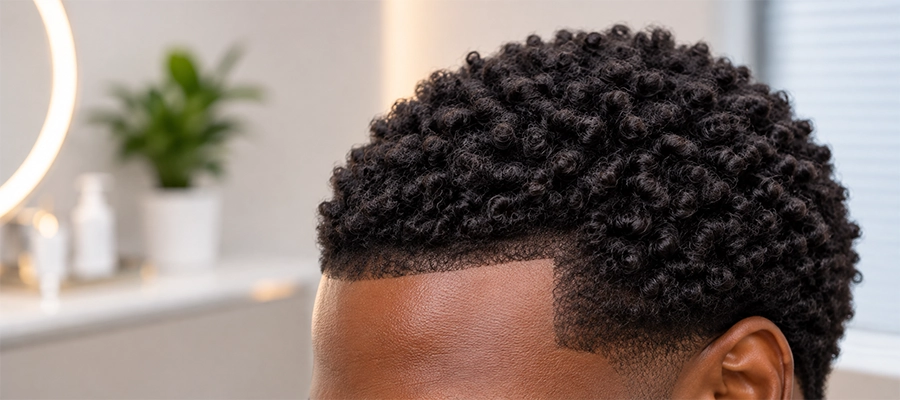
Hair restoration for people with naturally curly, coily, or tightly textured hair requires a specialized understanding of hair follicle anatomy. Unlike straight hair, Afro-textured hair often grows in curved patterns both above and beneath the scalp, making follicular extraction and implantation more technically demanding.
For individuals considering treatment abroad, an Afro hair transplant in Turkey is a surgical hair restoration procedure designed to address hair loss while preserving the natural characteristics of curly and coily hair. The procedure involves transferring healthy follicles from a suitable donor area to regions affected by thinning or baldness.
Successful transplantation depends on careful donor evaluation, appropriate surgical instruments, and experience working with curved follicles. The surgeon must also consider scalp health, scarring tendencies, and the patient’s long-term hair loss pattern.
How Does Afro Hair Transplantation Work?
The procedure begins with a detailed examination of the scalp, donor hair density, and areas requiring restoration. A qualified physician evaluates the direction and curvature of the follicles before selecting an extraction technique.
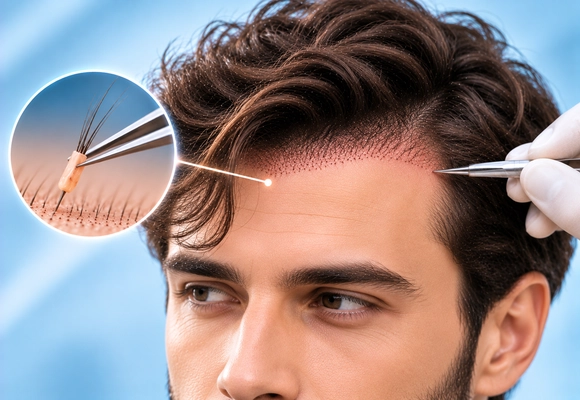
During an Afro hair transplant in Turkey, individual follicular units may be harvested using Follicular Unit Extraction (FUE), or grafts may be obtained through Follicular Unit Transplantation (FUT). The extracted follicles are prepared and implanted into the recipient area at angles that support natural hair growth. Local anesthesia is generally used throughout the procedure.
What Makes Afro-Textured Hair Transplantation Different?
Naturally coily hair has distinctive structural characteristics that influence surgical planning. The visible hair shaft may curve tightly above the scalp, while the follicle beneath the skin can also follow a curved path.
These anatomical differences mean an Afro hair transplant in Turkey requires careful extraction techniques to reduce the risk of cutting or damaging follicles. Hair density, curl pattern, scalp characteristics, and the possibility of post-inflammatory pigmentation or abnormal scarring must also be considered.
Who Is a Good Candidate for Afro Hair Transplantation?
Suitability depends on the cause of hair loss, the availability of healthy donor follicles, and the condition of the scalp. Individuals with stable androgenetic alopecia and adequate donor reserves may be suitable candidates.
Before recommending an Afro hair transplant in Turkey, a physician should assess hair shaft thickness, follicle curvature, scalp inflammation, and personal or family history of abnormal scarring. Patients with active inflammatory scalp disorders or insufficient donor hair may need medical treatment or alternative approaches.
What Types of Hair Loss Can Afro Hair Transplantation Treat?
Hair loss in people with Afro-textured hair can develop from hereditary factors, prolonged tension on follicles, inflammatory scalp conditions, or other medical causes. Accurate diagnosis is essential because different disorders require different treatment approaches.
For selected patients, an Afro hair transplant in Turkey may restore coverage affected by androgenetic alopecia or stable traction alopecia. Some inactive scarring conditions may also be considered after specialist assessment. However, active central centrifugal cicatricial alopecia (CCCA) and other inflammatory disorders generally require disease control before transplantation is considered.
What Are the Benefits of Afro Hair Transplantation?
Curly and coily hair can provide substantial visual coverage because individual strands occupy more space than straight hair of similar diameter. This characteristic may help create the appearance of fullness with carefully distributed grafts.
When appropriately performed, an Afro hair transplant in Turkey can improve hairline definition and coverage in areas affected by permanent hair loss. Transplanted follicles generally retain their original hair characteristics, allowing new growth to blend with surrounding curls. Results still depend on graft survival, donor quality, and surgical planning.
What Are the Challenges of Transplanting Afro-Textured Hair?
Follicular extraction becomes more complicated when hair curves beneath the skin. Instruments that do not follow the follicle’s path may increase the risk of transection, where part of the follicular unit is accidentally cut.
An Afro hair transplant in Turkey therefore requires an experienced medical team and carefully selected extraction instruments. Additional challenges may include limited donor availability, scalp scarring, and maintaining appropriate curl direction during implantation. Technical difficulty varies between individuals rather than being identical for everyone with Afro-textured hair.
How Does Curly Hair Follicle Anatomy Affect Hair Transplantation?
The shape of a hair follicle influences how the hair shaft emerges from the scalp. Tightly curled hair may originate from follicles that follow a curved or angled course beneath the skin surface.
During an Afro hair transplant in Turkey, the surgeon must account for this anatomy when separating follicular units from surrounding tissue. Incorrect punch alignment can damage grafts and reduce the number of viable follicles available for implantation. Preoperative examination and careful extraction are essential for protecting donor hair.
Why Is Hair Follicle Curvature Important in Afro Hair Transplants?
Follicle curvature affects both the direction of extraction and the handling of harvested grafts. A curved follicle may extend beyond the expected path of a straight extraction instrument.
To minimize unnecessary trauma, an Afro hair transplant in Turkey should involve techniques adapted to the patient’s individual follicular anatomy. The medical team may adjust punch size, angle, and extraction approach according to graft characteristics. Proper handling is important because damaged follicles may have reduced growth potential.
Afro Hair Transplant vs. Straight Hair Transplant: What Are the Differences?
The fundamental goal of hair transplantation remains the same regardless of hair texture: moving healthy follicles to areas where additional coverage is needed. However, differences in follicle shape and hair shaft characteristics can influence the surgical process.
Compared with straight hair transplantation, an Afro hair transplant in Turkey may require greater attention to curved follicle extraction and natural curl positioning. Coily hair can provide strong visual coverage, but its follicular anatomy may increase technical difficulty. Neither hair type guarantees better or worse results in every patient.
FUE vs. FUT for Afro Hair Transplantation: Which Is Better?
Follicular Unit Extraction removes individual follicular units using specialized punches, while Follicular Unit Transplantation involves removing a narrow strip of donor scalp and dissecting it into grafts. Both techniques can be considered for patients with Afro-textured hair.
When planning an Afro hair transplant in Turkey, FUE may be preferred to avoid a long linear donor scar, although curved follicles can make extraction more challenging. FUT may allow controlled graft dissection in selected patients but leaves a linear scar. The choice should account for donor anatomy, graft requirements, and individual scarring risks rather than relying on a universal preference.
Can DHI Be Used for Afro Hair Transplantation?
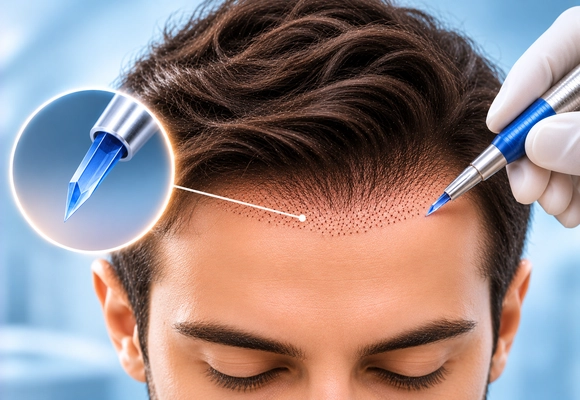
Direct Hair Implantation (DHI) commonly uses a pen-shaped device to place follicular grafts into the recipient scalp. The term primarily describes an implantation technique rather than a separate method of harvesting donor follicles.
For suitable patients, an Afro hair transplant in Turkey may incorporate DHI implantation after grafts have been collected through FUE or another appropriate extraction method. However, the implanter must accommodate the characteristics of the grafts, and careful loading is necessary to avoid damage. DHI does not eliminate the extraction challenges associated with curved follicles.
Afro Hair Transplant in Turkey Prices 2026
In 2026, the cost of an Afro hair transplant in Turkey varies according to the number of grafts required, the selected extraction technique, and the complexity of working with curved follicles.
Frequently Asked Questions
Is Afro Hair Transplantation Safe in Turkey?
Hair transplantation carries risks such as infection, bleeding, follicle damage, scarring, and poor graft growth. A properly performed Afro hair transplant in Turkey can be safe when qualified medical professionals use appropriate techniques in an authorized healthcare facility. Patients should verify the physician’s experience with Afro-textured hair and the clinic’s postoperative care arrangements.
Is Afro Hair More Difficult to Transplant Than Straight Hair?
Tightly curved follicles can be more challenging to extract because their path beneath the scalp may be difficult to predict. During an Afro hair transplant in Turkey, careful instrument selection and extraction technique can help reduce follicular damage. The degree of difficulty varies with individual curl patterns and follicle anatomy.
Is FUE Suitable for Type 4A, 4B, and 4C Hair?
Type 4 hair includes a range of tightly curled and coily textures, but visible curl classification alone cannot determine surgical suitability. An Afro hair transplant in Turkey using FUE may be appropriate for patients with type 4A, 4B, or 4C hair when donor characteristics permit safe extraction. A physician must assess the follicles beneath the scalp rather than relying only on the appearance of the hair shafts.
Does Afro Hair Transplantation Have a Lower Success Rate?
Graft survival depends on follicle quality, extraction accuracy, handling, implantation, and postoperative healing. Although curved follicles may increase technical challenges, an Afro hair transplant in Turkey does not automatically have a lower success rate than transplantation involving straight hair. Reliable outcomes require an experienced team and individualized planning rather than promises of a fixed success percentage.
Is Afro Hair Transplantation Painful?
Local anesthesia is generally used to numb the donor and recipient areas during surgery. Patients undergoing an Afro hair transplant in Turkey may experience brief discomfort during anesthetic injections and mild tenderness afterward. Increasing pain, fever, or discharge should prompt medical evaluation.
Does Afro Hair Transplantation Leave Visible Scars?
All surgical follicle extraction methods create wounds that heal with some degree of scarring. Following an Afro hair transplant in Turkey, FUE may leave small circular scars, while FUT produces a linear donor scar. Scar visibility depends on healing, extraction density, hairstyle, and individual susceptibility to raised scars.
Can People with a History of Keloids Get an Afro Hair Transplant?
A personal history of keloids raises concern because surgical wounds can trigger abnormal scar formation. Before considering an Afro hair transplant in Turkey, patients with previous keloids should undergo careful medical evaluation and discuss the possibility of permanent raised scars. In some cases, the risk may outweigh the expected cosmetic benefit.
Can Afro Hair Be Transplanted Without Damaging the Curl Pattern?
Hair texture is largely determined by the biological characteristics of the follicle. When follicles remain healthy, an Afro hair transplant in Turkey generally allows transplanted hair to retain its natural curly or coily characteristics. However, surgical trauma can damage individual grafts, and the final appearance also depends on hair direction and implantation technique.
Does Afro Hair Transplantation Work for Black Men and Women?
Hair transplantation suitability depends on medical and anatomical factors rather than sex or racial identity alone. For suitable men and women, an Afro hair transplant in Turkey may improve coverage in areas affected by stable permanent hair loss. Women with diffuse thinning or inflammatory scalp disorders require particularly careful diagnosis because transplantation is not appropriate for every condition.
Can a Hair Transplant Repair Hair Loss Caused by Tight Braids or Extensions?
Repeated tension from tight braids, extensions, and similar hairstyles can damage follicles and lead to traction alopecia. When the condition has become stable and permanent follicular loss has occurred, an Afro hair transplant in Turkey may restore coverage in selected areas with adequate donor supply. However, ongoing tension must be eliminated, and active inflammation should be treated before surgery to protect existing and transplanted follicles.