Hair Restoration
What Is Hair Restoration?
Hair loss affects people of different ages and can develop because of genetics, hormonal changes, medical conditions, or damage to hair follicles. While some forms of thinning are temporary, others cause progressive or permanent hair loss.
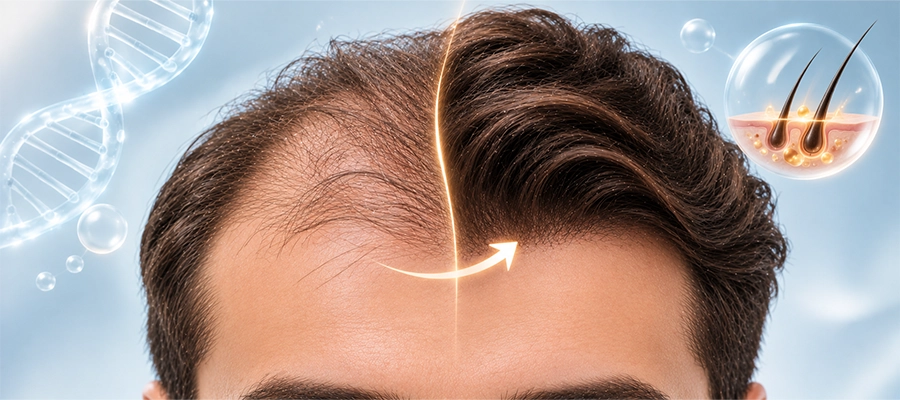
In modern dermatology, hair restoration refers to medical, surgical, and supportive treatments designed to preserve existing hair, improve hair growth, or restore coverage in areas affected by thinning. Treatment options range from medications and light-based devices to surgical hair transplantation.
The most appropriate approach depends on the cause of hair loss, the condition of the follicles, and the patient’s overall health. Early diagnosis is particularly important because some treatments work best before significant follicular damage occurs.
How Does Hair Restoration Work?
Hair growth follows a natural cycle involving active growth, transition, resting, and shedding phases. Different treatments aim to influence these processes or compensate for follicles that no longer produce visible hair.
Depending on the diagnosis, hair restoration may involve medications that support existing follicles, treatments that address underlying medical conditions, or surgery that relocates healthy follicles into thinning areas. No single approach works for every type of hair loss, and treatment effectiveness depends on whether the affected follicles remain viable.
Who Is a Good Candidate for Hair Restoration?
Treatment suitability depends on the underlying cause of thinning, the duration of hair loss, and the condition of the scalp. Individuals with early hereditary thinning, certain temporary shedding disorders, or stable permanent hair loss may benefit from different interventions.
Before starting hair restoration, a dermatologist should assess the pattern of hair loss, medical history, medications, and scalp health. Patients with active inflammatory conditions or nutritional deficiencies may require targeted medical treatment before considering cosmetic or surgical procedures.
What Causes Hair Loss and Hair Thinning?
Hair thinning can result from inherited susceptibility, hormonal influences, autoimmune disorders, nutritional deficiencies, medications, or physical stress on follicles. Illness, childbirth, major stress, and rapid weight changes may also disrupt the normal hair growth cycle.
Because these causes differ, effective hair restoration begins with identifying the underlying problem. Some conditions improve when contributing factors are corrected, while others require ongoing treatment to slow progression. Permanent follicular destruction generally cannot be reversed with medications alone.
What Are the Different Types of Hair Loss?
Hair loss disorders differ in their causes, appearance, progression, and potential for regrowth. Some affect the entire scalp, while others produce localized patches or permanent scarring.
Choosing an appropriate hair restoration strategy requires distinguishing between nonscarring conditions, where follicles may remain capable of growth, and scarring conditions, where follicles can be permanently destroyed. A dermatologist can identify the specific disorder and recommend suitable treatment.
Androgenetic Alopecia (Pattern Hair Loss)
Hereditary pattern hair loss is one of the most common causes of progressive thinning in adults. It develops through genetic susceptibility and hormonal influences that gradually cause affected follicles to produce finer hairs.
For patients with androgenetic alopecia, hair restoration may involve topical minoxidil, appropriately prescribed medications such as finasteride, or hair transplantation in selected cases. Early treatment can help preserve existing hair, although continued management is often necessary.
Alopecia Areata (Patchy Hair Loss)
Alopecia areata is an autoimmune condition in which the immune system targets hair follicles, often causing smooth, round patches of hair loss. The condition can affect the scalp, eyebrows, beard, or other body areas.
In these cases, hair restoration focuses primarily on controlling the autoimmune process and encouraging regrowth through appropriate medical treatment. Depending on disease severity, dermatologists may use corticosteroids or other therapies, including certain approved JAK inhibitors. Hair transplantation is generally unsuitable while the condition remains active.
Telogen Effluvium (Temporary Hair Shedding)
Telogen effluvium occurs when an increased number of follicles enter the resting phase, leading to noticeable shedding. Common triggers include illness, childbirth, significant stress, nutritional deficiencies, and certain medications.
For this condition, hair restoration usually involves identifying and addressing the trigger rather than performing surgery. Hair growth often improves over several months after the underlying cause resolves, although recovery time varies. Persistent shedding requires further medical evaluation.
Traction Alopecia (Hairstyle-Related Hair Loss)
Repeated tension from tight braids, ponytails, extensions, and similar hairstyles can damage follicles over time. Early traction alopecia may cause thinning around the hairline or other areas exposed to prolonged pulling.
When detected early, hair restoration may involve eliminating tension and treating associated inflammation. Hair can sometimes regrow if follicles remain intact. Long-standing traction alopecia may cause permanent loss, making transplantation an option only in selected stable cases.
Scarring Alopecia (Cicatricial Alopecia)
Scarring alopecia includes disorders that damage and permanently destroy hair follicles through inflammatory processes. These conditions may cause redness, scaling, discomfort, or smooth areas where follicular openings are no longer visible.
For affected patients, hair restoration initially focuses on diagnosing and controlling the underlying inflammation to prevent further loss. Destroyed follicles generally cannot regenerate naturally. Surgical transplantation may be considered in carefully selected cases after prolonged disease stability, but results can be unpredictable.
What Are the Early Signs of Hair Loss?
Early hair loss may appear as a widening hair part, increased scalp visibility, a receding hairline, or gradually reduced ponytail thickness. Some people also notice more shedding during washing or brushing.
Recognizing these changes allows hair restoration treatment to begin before extensive thinning develops. However, normal daily shedding varies, and not every increase indicates permanent hair loss. Persistent changes, patchy baldness, or scalp inflammation should be assessed by a dermatologist.
How Is Hair Loss Diagnosed?
Accurate diagnosis begins with a medical history and examination of the scalp and hair distribution. A physician may ask about family history, recent illnesses, medications, dietary changes, and the timing of hair shedding.
Before recommending hair restoration, dermatologists may use trichoscopy to examine follicle characteristics and signs of miniaturization or inflammation. Targeted blood tests can help identify thyroid dysfunction, iron deficiency, or other contributing conditions when clinically indicated. A scalp biopsy may be necessary if scarring alopecia is suspected.
What Are the Benefits of Hair Restoration?
Appropriate treatment may help reduce progressive thinning, improve visible density, and preserve existing follicles. In selected patients, surgical procedures can also restore coverage in areas affected by permanent hair loss.
When matched to the diagnosis, hair restoration can improve the appearance of the scalp and support personal confidence. Some treatments may delay the need for surgery or improve the long-term appearance of transplanted hair. Results vary, and complete regrowth cannot be guaranteed.
What Are the Different Hair Restoration Methods?
Treatment options include medications, low-level light devices, platelet-rich plasma injections, management of underlying medical conditions, and surgical hair transplantation. Each method has a different evidence base and is suited to particular types of hair loss.
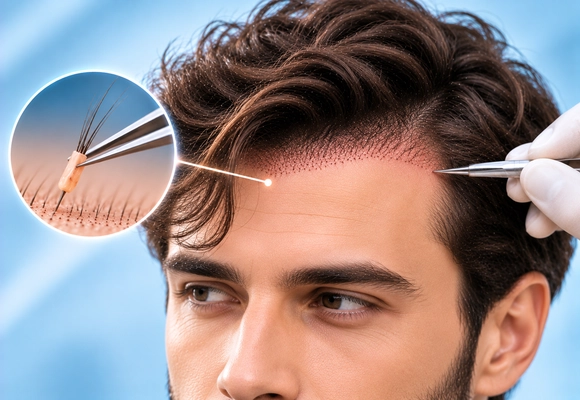
A personalized hair restoration plan may combine treatments when medically appropriate. Minoxidil and certain prescription medications have established roles in pattern hair loss, while FUE and FUT transplantation can redistribute healthy follicles. Experimental regenerative procedures should not be treated as equivalent to established therapies.
Can Hair Mesotherapy Help Reduce Hair Loss?
Hair mesotherapy involves injecting substances into the scalp, often including vitamins, amino acids, medications, or other formulations. The ingredients and treatment protocols vary widely between providers.
Although mesotherapy is sometimes promoted for hair restoration, strong clinical evidence supporting many commonly marketed formulations remains limited. Its effectiveness and safety depend on the substances used, and injections carry risks of infection, inflammation, and allergic reactions. Patients should not assume that vitamin injections can reverse hereditary hair loss or replace proven treatments.
How Do Minoxidil and Finasteride Support Hair Restoration?
Minoxidil is commonly used to support hair growth and reduce progressive thinning in androgenetic alopecia. Topical formulations are widely available, while oral minoxidil may be prescribed off-label in selected cases with appropriate monitoring.
For suitable patients, hair restoration may also include finasteride, which reduces the conversion of testosterone to dihydrotestosterone (DHT), a hormone involved in follicular miniaturization. Finasteride is commonly prescribed for male pattern hair loss and is not appropriate during pregnancy. Treatment selection should consider potential adverse effects, contraindications, and the need for continued use.
What Is Low-Level Laser Therapy for Hair Loss?
Low-level laser therapy, also called low-level light therapy, uses specific wavelengths of light delivered through devices such as caps, helmets, or combs. It is intended to influence cellular activity associated with hair growth.
Some clinical studies suggest that hair restoration using suitable low-level light devices may modestly improve hair density in people with androgenetic alopecia. However, results vary, and the therapy does not reliably restore follicles destroyed by scarring conditions. Device quality, treatment consistency, and patient selection influence outcomes.
Are Stem Cell Hair Restoration Treatments Scientifically Proven?
Stem cell research explores whether specialized cells and their signaling molecules can influence follicle activity or contribute to tissue regeneration. Laboratory studies have produced interesting findings, but translating these results into reliable clinical treatments remains challenging.
Commercial procedures promoted for hair restoration using stem cells, exosomes, or related biological preparations often lack sufficient high-quality clinical evidence. Product composition, dosing, regulatory status, and long-term safety may also be uncertain. These approaches should not be presented as proven alternatives to established medical treatment or conventional transplantation.
Hair Restoration Prices 2026
In 2026, the cost of hair restoration varies according to the underlying diagnosis, selected treatment method, number of sessions, and whether medical or surgical procedures are required.
Frequently Asked Questions
Does Hair Restoration Really Work?
Several treatments have demonstrated benefits for specific forms of hair loss, particularly androgenetic alopecia. When appropriately selected, hair restoration may slow thinning, improve density, or restore coverage through transplantation. However, no method guarantees complete regrowth for every patient.
Can Hair Restoration Bring Back Lost Hair?
Regrowth is possible when follicles remain viable and the underlying cause can be treated. Depending on the condition, hair restoration may stimulate existing follicles or surgically transfer healthy follicles into areas with permanent loss. Medications cannot reliably regenerate follicles that have been completely destroyed.
What Is the Best Hair Restoration Method?
The most suitable treatment depends on the diagnosis, extent of thinning, medical history, and personal goals. For some patients, hair restoration begins with medications such as minoxidil or finasteride, while others may benefit from surgical transplantation. A dermatologist can recommend an evidence-based approach after evaluating the scalp.
Is Hair Restoration Better Than a Hair Transplant?
Hair transplantation is one type of surgical hair restoration rather than a completely separate category. Nonsurgical hair restoration may be preferable for early thinning or temporary shedding, while transplantation may improve coverage in selected areas of permanent loss. The best choice depends on the cause and stage of hair loss.
Can Hair Grow Back Naturally Without Surgery?
Some types of hair loss improve when the underlying trigger resolves, particularly telogen effluvium and certain early traction-related conditions. In these situations, hair restoration may involve correcting deficiencies, reducing physical tension, or treating an underlying medical problem. Hereditary thinning and scarring alopecia generally require different management.
Can Dead Hair Follicles Be Restored?
A follicle that has been permanently destroyed cannot currently be reliably regenerated through routine medical treatment. Although researchers are investigating regenerative approaches to hair restoration, no established therapy can consistently recreate functional follicles in scarred or completely follicle-free scalp tissue. Hair transplantation may be considered when suitable donor follicles are available.
Is Hair Restoration Suitable for Men and Women?
Both men and women can experience hereditary thinning, autoimmune hair loss, temporary shedding, and inflammatory scalp conditions. Appropriate hair restoration treatments are available for both, although medication selection and surgical suitability may differ. Pregnancy, hormonal factors, and individual medical history require special consideration.
What Is the Best Age to Start Hair Restoration?
Hair loss can begin during adolescence, early adulthood, or later life, depending on the underlying condition. Starting hair restoration after an accurate diagnosis may help preserve viable follicles before significant thinning occurs. There is no universally ideal age, and surgical transplantation requires particular caution in younger patients with evolving hair loss patterns.