Eyebrow Transplant
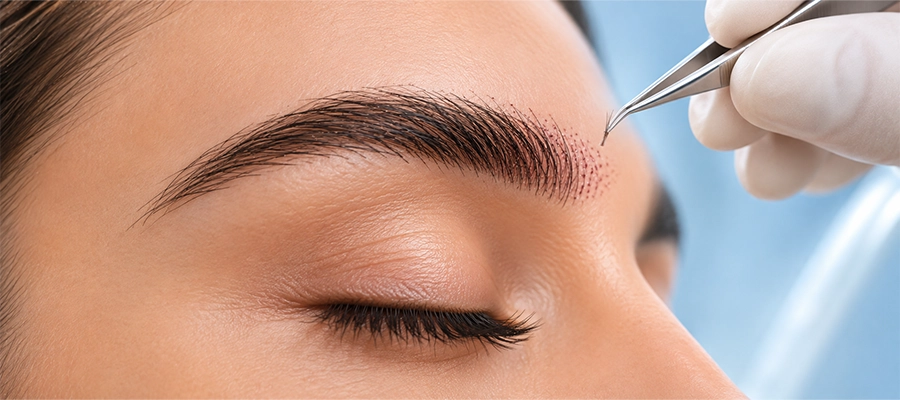
What Is Eyebrow Transplant in Turkey?
Eyebrows play an important role in facial expression, symmetry, and the overall appearance of the eyes. Hair loss, overplucking, scarring, or naturally sparse growth can change their shape and density, leading some people to explore permanent restoration options.
For patients considering cosmetic hair restoration abroad, eyebrow transplant in Turkey is a surgical procedure that transfers healthy hair follicles from a donor area, usually the scalp, to regions of the eyebrows with insufficient hair growth. The procedure aims to improve eyebrow density, shape, and symmetry using the patient’s own follicles.
Unlike cosmetic pigmentation methods, eyebrow transplantation introduces living follicles that can continue producing hair. However, transplanted scalp hairs may grow longer than natural eyebrow hairs and require regular trimming. Successful results depend on careful graft selection, precise implantation angles, and realistic expectations.
How Does Eyebrow Transplantation Work?
Eyebrow restoration involves harvesting individual follicular units and implanting them into carefully planned areas. The surgeon must account for the natural direction, angle, and distribution of eyebrow hairs, which differ considerably from scalp hair.
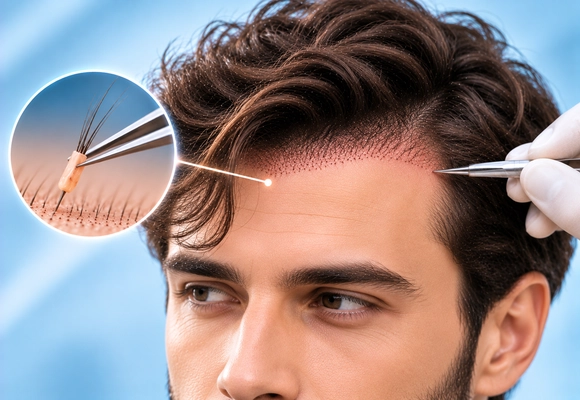
During an eyebrow transplant in Turkey, follicles are generally extracted from the scalp using FUE techniques and prepared for implantation. The surgeon then places individual grafts into the eyebrow region at shallow angles to follow the natural hair pattern. Local anesthesia is commonly used to reduce discomfort.
Who Is a Good Candidate for Eyebrow Transplantation?
Surgical suitability depends on the cause of eyebrow thinning, the condition of the skin, and the availability of healthy donor follicles. Individuals with stable eyebrow hair loss or naturally sparse eyebrows may be suitable candidates.
Before recommending an eyebrow transplant in Turkey, a qualified physician should assess the eyebrow area, medical history, donor hair characteristics, and expectations. Patients with active inflammatory skin disease, uncontrolled alopecia, or certain scarring conditions may require medical treatment before transplantation is considered.
What Causes Eyebrow Hair Loss and Thinning?
Eyebrow thinning can develop because of aging, repeated plucking, trauma, burns, inflammatory skin conditions, or autoimmune disorders. Thyroid disease, nutritional deficiencies, and certain medications may also contribute to eyebrow hair loss.
Because the causes vary, an eyebrow transplant in Turkey should only be considered after an appropriate medical evaluation. Some conditions can improve with treatment of the underlying problem, while others result in permanent follicular loss. Correct diagnosis helps prevent unnecessary surgery.
What Types of Eyebrow Hair Loss Can Be Treated with Transplantation?
Eyebrow hair loss may affect a small section, the outer eyebrow, or the entire brow. The suitability of transplantation depends on whether the underlying condition is stable and whether the recipient skin can support new follicles.
For selected patients, an eyebrow transplant in Turkey may restore coverage following overplucking, injury, stable scarring, or naturally sparse growth. However, active alopecia areata, frontal fibrosing alopecia, and other inflammatory conditions generally require specialist assessment and disease control before surgery.
What Are the Benefits of Eyebrow Transplantation?
Restoring eyebrow hair can improve facial balance and create a fuller appearance without relying exclusively on cosmetic makeup. The use of the patient’s own follicles allows transplanted hairs to grow naturally after successful implantation.
When appropriately planned, an eyebrow transplant in Turkey can help improve eyebrow density, refine shape, and address selected areas of asymmetry. The results may be long-lasting, although transplanted hairs often require trimming and grooming. The procedure cannot guarantee perfectly symmetrical eyebrows.
What Are the Limitations of Eyebrow Transplant Surgery?
Eyebrow transplantation requires exceptional precision because natural eyebrow hairs grow at very shallow angles and change direction across the brow. Even small placement errors can affect the final appearance.
Patients considering an eyebrow transplant in Turkey should understand that transplanted scalp hair may differ in texture, curl, and growth length from native eyebrow hair. Some grafts may fail to grow, and additional treatment may be necessary. Surgery also carries risks of infection, scarring, unnatural hair direction, and asymmetry.
Eyebrow Transplant vs. Microblading: What Are the Differences?
Microblading is a cosmetic pigmentation technique that creates the appearance of eyebrow hairs using pigment deposited into the skin. It does not introduce living follicles or produce actual hair growth.
By comparison, an eyebrow transplant in Turkey involves surgically implanting follicles that can produce real hair. Microblading generally requires periodic maintenance as pigment fades, while transplantation may provide long-lasting growth. However, transplantation involves surgery and recovery, whereas microblading carries its own risks, including infection, allergic reactions, and unwanted pigment changes.
Eyebrow Transplant vs. Eyebrow Tattoo: Which Is Better?
Eyebrow tattooing uses pigment to create or enhance the appearance of brow shape and fullness. It can provide cosmetic definition but does not restore missing follicles.
An eyebrow transplant in Turkey may be more appropriate for patients who want actual hair growth rather than a pigmented appearance. Tattooing may suit individuals who prefer a nonsurgical cosmetic option. Neither approach is universally better, and the choice depends on personal goals, skin characteristics, and willingness to undergo surgery.
Eyebrow Transplant vs. PRP Treatment: What Are the Differences?
Platelet-rich plasma (PRP) is prepared from a patient’s blood and contains concentrated platelets that release various signaling molecules. Its use for eyebrow hair restoration has limited clinical evidence.
Unlike PRP, an eyebrow transplant in Turkey physically transfers healthy follicles into areas where eyebrow hair is missing. PRP does not reliably create new follicles or restore hair in completely bald regions. Patients should discuss the underlying cause of eyebrow loss before choosing either approach.
What Are the Different Eyebrow Transplant Techniques?
Eyebrow transplantation can be performed using different follicular extraction and implantation methods. The choice of technique depends on donor hair characteristics, the number of grafts required, and the surgeon’s experience.
A carefully planned eyebrow transplant in Turkey may involve FUE harvesting, implanter-based placement, or an approach that preserves much of the existing hairstyle. These terms describe different surgical stages and do not automatically indicate superior results.
FUE Eyebrow Transplant
Follicular Unit Extraction removes individual follicular units from a donor area using specialized punches. The harvested grafts are then prepared for placement into the eyebrow region.
During an FUE-based eyebrow transplant in Turkey, the surgeon typically selects suitable single-hair grafts to create a natural appearance. Recipient sites must be prepared at shallow angles that follow the eyebrow’s growth pattern. FUE avoids a long linear donor scar but still leaves tiny extraction scars.
DHI Eyebrow Transplant
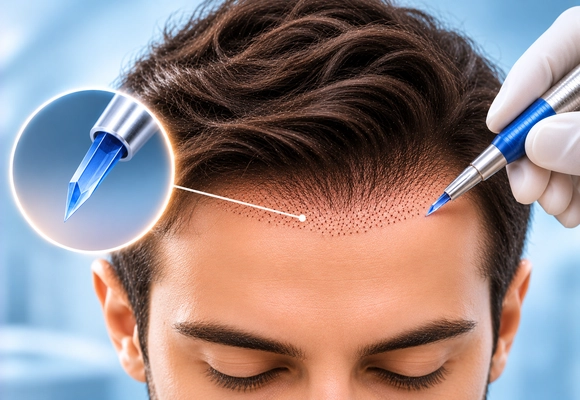
Direct Hair Implantation (DHI) commonly uses a pen-shaped device to insert follicular grafts into the recipient area. The technique focuses on the implantation stage rather than the method of harvesting follicles.
In a DHI-based eyebrow transplant in Turkey, an implanter pen may help the surgical team place grafts at carefully selected angles and depths. However, the instrument itself does not guarantee natural results. Precise planning and experience with eyebrow anatomy remain essential.
Unshaven Eyebrow Transplant
Some patients prefer to preserve their existing hairstyle during eyebrow restoration. Because eyebrow procedures generally require fewer grafts than extensive scalp transplantation, limited donor-area trimming may be possible.
For suitable candidates, an unshaven eyebrow transplant in Turkey may involve harvesting follicles from small concealed sections of the scalp. Completely unshaven extraction may also be possible with specialized techniques. The amount of trimming depends on the graft requirements and donor hair characteristics.
How Is the Donor Area Selected for Eyebrow Transplantation?
Donor hair selection influences how naturally the transplanted eyebrows blend with existing hairs. Hair thickness, texture, curl, and growth characteristics must be considered alongside follicular health.
Before an eyebrow transplant in Turkey, the physician generally evaluates suitable scalp regions and selects follicles that most closely match the desired eyebrow appearance. Single-hair grafts are often preferred for precise shaping. Donor hair may continue growing according to its original characteristics, making regular trimming necessary.
How Many Grafts Are Needed for an Eyebrow Transplant?
The required graft count depends on whether the patient needs minor density improvement, partial reconstruction, or complete eyebrow restoration. Existing eyebrow hair and the desired shape also influence surgical planning.
For an eyebrow transplant in Turkey, some patients may need fewer than 100 grafts for a small correction, while extensive reconstruction can require several hundred grafts across both eyebrows. These figures are approximate and should not be treated as fixed requirements. A personalized assessment is necessary to determine the appropriate number.
How Is a Natural-Looking Eyebrow Shape Designed?
Eyebrow shape should complement facial proportions, eye position, and the patient’s natural expressions. The surgeon must consider the brow’s starting point, arch, tail, and overall width.
During an eyebrow transplant in Turkey, the proposed design is usually discussed with the patient before implantation. The goal is to create a balanced appearance rather than forcing both eyebrows into identical shapes. Natural facial asymmetry should be considered during planning.
How Are Eyebrow Hair Angles and Growth Directions Determined?
Eyebrow hairs do not grow in a single direction. Hair near the inner brow often grows more vertically, while hairs across the central and outer regions follow changing angles and patterns.
During an eyebrow transplant in Turkey, the surgeon must position grafts at very shallow angles to the skin and follow the natural directional changes across the brow. Incorrect placement can cause hairs to project outward or grow in an unnatural pattern. Careful implantation is therefore essential for a realistic result.
Eyebrow Transplant in Turkey Prices 2026
In 2026, the cost of an eyebrow transplant in Turkey varies according to the number of grafts required, the selected surgical technique, and the complexity of eyebrow design.
Frequently Asked Questions
Is Eyebrow Transplantation Safe in Turkey?
Eyebrow transplantation is a surgical procedure with risks including infection, bleeding, scarring, and unnatural hair growth. A properly performed eyebrow transplant in Turkey can be safe in an authorized medical facility with qualified supervision. Patients should verify the physician’s experience, clinic standards, and postoperative care arrangements.
Is Eyebrow Transplantation Painful?
Local anesthesia is generally used to numb the donor and eyebrow areas during surgery. Patients undergoing an eyebrow transplant in Turkey may experience brief discomfort during anesthetic injections and temporary tenderness afterward. Significant or worsening pain should be evaluated by the treating physician.
What Is the Success Rate of Eyebrow Transplantation?
Graft survival depends on donor follicle quality, extraction technique, handling, implantation, and healing. Although clinics may advertise high percentages, an eyebrow transplant in Turkey does not have one universally guaranteed success rate. Patients should be cautious about claims of complete graft survival or perfect symmetry.
What Is the Best Age for an Eyebrow Transplant?
Eyebrow hair loss can occur at different stages of life, and the underlying cause influences treatment suitability. A carefully planned eyebrow transplant in Turkey should consider the stability of hair loss, overall health, and donor availability rather than age alone. There is no single ideal age for every patient.
Does Eyebrow Transplantation Leave Visible Scars?
Follicular extraction creates small wounds in the donor region, while implantation involves tiny openings in the eyebrow skin. Therefore, an eyebrow transplant in Turkey is not completely scar-free. Scar visibility depends on healing, surgical technique, and individual skin characteristics.
Can Eyebrow Transplantation Restore Naturally Thin Eyebrows?
Some people have naturally sparse eyebrows because of inherited follicle distribution rather than a medical condition. For suitable candidates, an eyebrow transplant in Turkey may increase visible density by adding healthy follicles. The achievable fullness depends on donor supply and the available space for natural graft placement.
Can You Get an Eyebrow Transplant If You Have No Eyebrow Hair?
Complete eyebrow loss may result from trauma, scarring, autoimmune conditions, or other medical causes. In selected cases, an eyebrow transplant in Turkey can reconstruct eyebrows when the recipient skin is healthy enough to support grafts. Active inflammatory or autoimmune disease may make surgery unsuitable until the condition is appropriately controlled.
Can an Eyebrow Transplant Fix Uneven Eyebrows?
Natural eyebrow asymmetry can involve differences in shape, density, or hair direction. A carefully designed eyebrow transplant in Turkey may improve selected areas of unevenness by adding follicles where coverage is lacking. However, transplantation cannot correct every cause of asymmetry, particularly differences related to underlying facial anatomy or muscle movement.