Beard Transplant
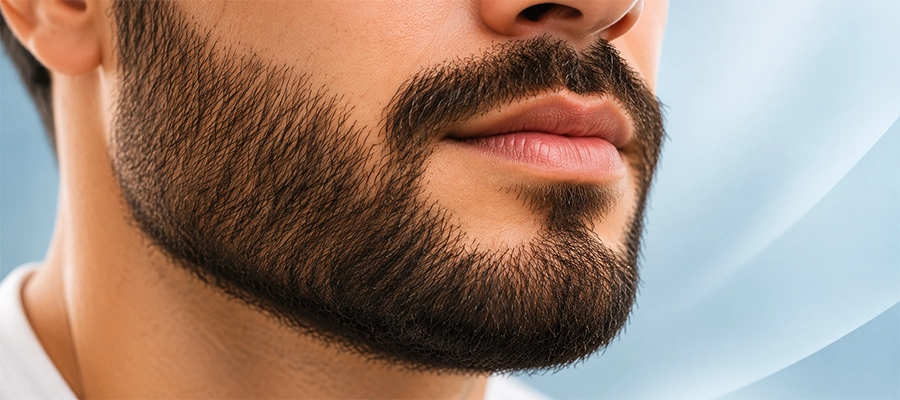
What Is Beard Transplant in Istanbul?
Facial hair plays an important role in personal appearance, and many men prefer a fuller, more defined beard. However, genetics, hormonal factors, scarring, and certain medical conditions can cause patchy growth or areas with little facial hair.
For individuals seeking permanent facial hair restoration, a beard transplant in Istanbul is a surgical procedure that transfers healthy hair follicles, usually from the scalp, into areas of the beard, mustache, or sideburns. The goal is to improve facial hair density, correct uneven growth, and create a natural-looking beard pattern.
Unlike temporary cosmetic products, beard transplantation introduces living follicles that can continue producing hair after successful implantation. However, results depend on donor hair quality, surgical technique, facial hair characteristics, and the patient’s individual healing response.
How Does Beard Transplantation Work?
Facial hair restoration begins with an examination of the donor region and the areas requiring additional coverage. The surgeon evaluates hair thickness, texture, facial proportions, and the direction of existing beard growth.
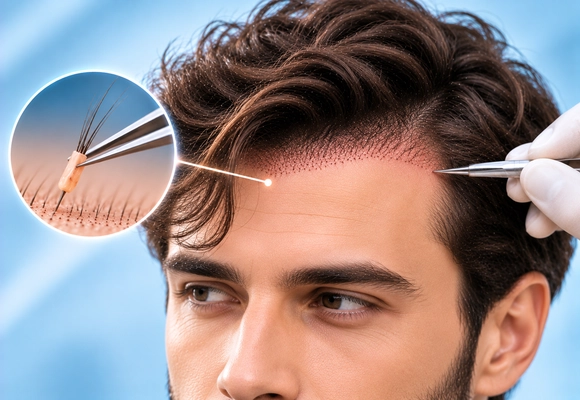
During a beard transplant in Istanbul, individual follicular units are generally extracted from the scalp using Follicular Unit Extraction (FUE). These grafts are then implanted into carefully planned recipient sites on the cheeks, chin, jawline, or mustache area. Local anesthesia is typically used, and the procedure may take several hours depending on the number of grafts.
Who Is a Good Candidate for Beard Transplantation?
Surgical suitability depends on the cause of facial hair loss, the availability of healthy donor follicles, and the condition of the facial skin. Men with naturally sparse beards, uneven facial hair growth, or stable areas of permanent hair loss may be suitable candidates.
Before recommending a beard transplant in Istanbul, a qualified physician should assess donor density, hair shaft characteristics, skin health, and realistic coverage expectations. Patients with active skin infections, uncontrolled inflammatory conditions, or insufficient donor hair may need alternative treatment or further medical evaluation.
What Causes Patchy or Uneven Beard Growth?
Facial hair distribution is strongly influenced by genetics and the sensitivity of hair follicles to androgens. Some men naturally develop dense facial hair, while others experience uneven growth across the cheeks, jawline, or mustache.
Although a beard transplant in Istanbul may improve selected areas of sparse growth, the underlying cause should be evaluated first. Patchiness can also result from alopecia areata, scarring, infections, or inflammatory skin conditions. Some medical causes require treatment rather than immediate transplantation.
What Types of Facial Hair Loss Can Beard Transplantation Treat?
Facial hair loss may affect isolated patches, one side of the beard, or larger areas of the face. The suitability of transplantation depends on whether the condition is stable and whether the skin can support implanted follicles.
For selected patients, a beard transplant in Istanbul may improve coverage affected by naturally sparse facial hair, stable scarring, or previous injury. It may also help correct uneven beard density. However, active alopecia areata and inflammatory skin disorders generally require specialist evaluation and appropriate disease control before surgery.
What Are the Benefits of Beard Transplantation?
Restoring facial hair can improve beard definition and create a more consistent appearance across the cheeks, chin, and jawline. The use of the patient’s own follicles allows transplanted hair to grow naturally after successful implantation.
When carefully planned, a beard transplant in Istanbul may provide long-lasting facial hair coverage and help address selected areas of asymmetry. Patients can usually shave and groom transplanted hair once healing is complete. However, transplanted scalp hair may retain some of its original growth characteristics, and results vary between individuals.
What Are the Limitations of Beard Transplant Surgery?
Beard transplantation cannot create unlimited hair follicles or guarantee a particular density. The achievable result depends on donor availability, facial skin characteristics, and the number of grafts that can be safely implanted.
Patients considering a beard transplant in Istanbul should understand that transplanted scalp hair may differ from natural beard hair in thickness, texture, or growth behavior. Surgery also carries risks of infection, scarring, folliculitis, poor graft survival, and unnatural hair direction. Some patients may require additional treatment to improve density.
What Are the Different Beard Transplant Techniques?
Several surgical approaches can be used to restore facial hair. These methods differ mainly in how follicles are extracted and how recipient sites are prepared or implanted.
A carefully planned beard transplant in Istanbul may use conventional FUE, DHI implantation, or sapphire-blade recipient-site preparation. The best approach depends on the patient’s donor characteristics, graft requirements, and the surgeon’s experience. No single technique guarantees superior results for every patient.
FUE Beard Transplant
Follicular Unit Extraction removes individual follicular units from a donor area using specialized punches. The harvested grafts are then prepared for implantation into the facial region.
During an FUE-based beard transplant in Istanbul, the surgeon selects suitable follicles and positions them according to the natural beard growth pattern. FUE avoids the long linear donor scar associated with strip harvesting, although small circular extraction scars remain possible. Careful graft handling is essential for successful growth.
DHI Beard Transplant
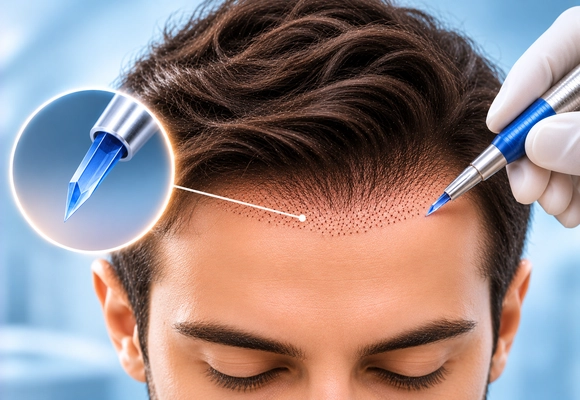
Direct Hair Implantation (DHI) uses a specialized implanter pen to place harvested follicular grafts into the recipient area. The technique describes the implantation stage rather than a separate method of extracting follicles.
In a DHI-based beard transplant in Istanbul, the medical team may use an implanter pen to control graft placement, depth, and direction. However, successful results depend on the surgeon’s planning and technique rather than the device alone. DHI does not eliminate the need for careful donor harvesting.
Sapphire FUE Beard Transplant
Sapphire FUE refers to an approach in which sapphire-tipped blades are used to prepare recipient channels before graft implantation. The follicles are generally harvested using standard FUE extraction instruments.
During a sapphire-assisted beard transplant in Istanbul, the surgeon creates recipient sites according to the desired beard shape and hair direction. Sapphire blades are one option for channel preparation, but current evidence does not establish that they consistently produce better graft survival or density than appropriately used conventional instruments.
FUE vs. DHI Beard Transplant: Which Technique Is Better?
FUE and DHI are often presented as competing procedures, but they describe different stages of hair transplantation. FUE is primarily a follicular extraction method, while DHI refers to implantation using a specialized pen.
When planning a beard transplant in Istanbul, the surgeon may combine FUE harvesting with DHI implantation or use conventional recipient-site preparation. Both approaches can produce natural-looking results when performed appropriately. The choice should depend on graft characteristics, facial hair design, and surgical expertise rather than marketing claims.
Beard Transplant in Istanbul Prices 2026
In 2026, the cost of a beard transplant in Istanbul varies according to the number of grafts required, the selected implantation technique, and the complexity of the desired beard design.
Frequently Asked Questions
Is Beard Transplantation Safe in Istanbul?
Beard transplantation is a surgical procedure with potential risks including infection, bleeding, scarring, and poor graft growth. A properly performed beard transplant in Istanbul can be safe when qualified professionals work in an authorized medical facility. Patients should verify physician credentials, clinic standards, and postoperative care arrangements.
Is Beard Transplantation Painful?
Local anesthesia is generally used to numb the donor and facial areas during the procedure. Patients undergoing a beard transplant in Istanbul may experience brief discomfort during anesthetic injections and temporary tenderness afterward. Severe or worsening pain should be evaluated by the treating physician.
What Is the Success Rate of Beard Transplantation?
Graft survival depends on follicle quality, extraction accuracy, handling, implantation, and postoperative healing. Although clinics may advertise high success percentages, a beard transplant in Istanbul does not have one universally guaranteed success rate. Patients should be cautious about promises of complete graft survival or perfectly uniform density.
What Is the Best Age for a Beard Transplant?
Facial hair development can continue into adulthood, and the timing varies considerably between individuals. A carefully planned beard transplant in Istanbul should consider whether natural beard growth has stabilized, along with donor availability and personal expectations. There is no single ideal age for every patient.
Does Beard Transplantation Leave Visible Scars?
All surgical follicle extraction and implantation methods create small wounds that heal with some degree of scarring. Following a beard transplant in Istanbul, FUE may leave tiny circular scars in the donor area, while facial implantation sites can also develop subtle marks. Scar visibility depends on surgical technique, healing, skin characteristics, and hair coverage.
Can You Get a Beard Transplant If You Have No Facial Hair?
Some men naturally develop very little facial hair because of genetic or hormonal factors. In selected cases, a beard transplant in Istanbul may create facial hair coverage using healthy follicles harvested from the scalp. However, a medical evaluation is important to identify underlying hormonal or dermatological conditions before surgery.
Can a Beard Transplant Fix Uneven Cheek Hair Growth?
Uneven cheek hair growth may result from natural follicle distribution, scarring, or localized hair loss. A carefully designed beard transplant in Istanbul can improve selected areas by adding follicles where facial hair is sparse. The achievable symmetry depends on donor supply, facial anatomy, and natural hair direction.
Can Beard Transplantation Improve a Thin Mustache?
Mustache density varies naturally, and some individuals have limited hair growth above the upper lip. For suitable patients, a beard transplant in Istanbul may improve mustache fullness by implanting carefully selected follicles at appropriate angles. Precise placement is essential because mustache hairs follow distinct growth directions and the treatment area is highly visible.