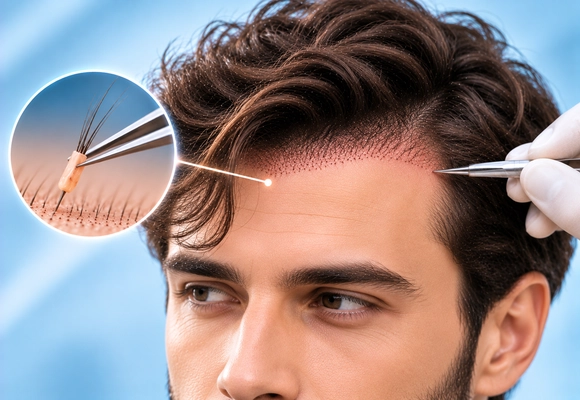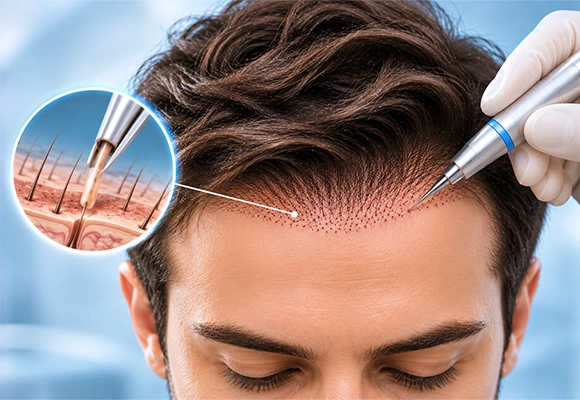
Stem Cell Hair Transplant
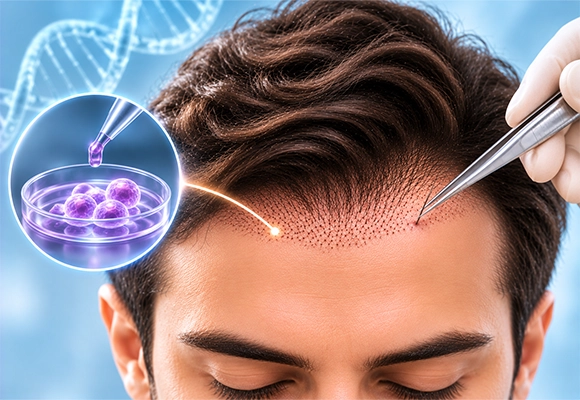
What Is Stem Cell Hair Transplant in Turkey?
Hair loss can develop because of genetic factors, hormonal changes, aging, or medical conditions affecting the scalp. While conventional hair transplantation redistributes existing follicles, regenerative medicine researchers are investigating whether cellular therapies could help maintain or restore hair growth.
For patients exploring emerging hair restoration options, stem cell hair transplant in Turkey is a term commonly used to describe experimental or commercially marketed treatments involving stem cells, cell-derived preparations, or regenerative tissue products. However, these procedures are not necessarily hair transplants in the conventional surgical sense.
Stem cell-based hair restoration remains an evolving field of research. Although some early studies have reported encouraging findings, there is not yet sufficient high-quality evidence to establish stem cell treatment as a reliable replacement for established hair transplantation techniques such as FUE or FUT.
How Does Stem Cell Hair Transplantation Work?
Regenerative hair restoration approaches aim to influence the biological processes involved in follicle growth and repair. Depending on the method, researchers may investigate cells or tissue preparations derived from fat, scalp tissue, or other sources.
Procedures marketed as stem cell hair transplant in Turkey may involve collecting tissue, processing it, and introducing a prepared product into the scalp. However, the contents and biological activity of these preparations vary considerably. Injecting a cellular product does not automatically create new hair follicles or establish that the treatment is effective.
Is Stem Cell Hair Transplantation Different from Traditional Hair Transplant Surgery?
Conventional hair transplantation moves existing, viable follicles from a donor region to an area affected by permanent hair loss. These transplanted follicles can subsequently produce hair in their new location.
By comparison, treatments promoted as stem cell hair transplant in Turkey may involve injections or regenerative tissue procedures rather than transferring complete follicular units. Some clinics combine these approaches with conventional transplantation. Patients should clarify whether they are receiving an established surgical transplant, an experimental regenerative procedure, or both.
What Are Stem Cells and How Are They Used in Hair Restoration?
Stem cells are specialized cells capable of self-renewal and, under suitable conditions, developing into certain other cell types. Different stem cell populations have distinct biological properties and cannot be treated as interchangeable.
Research associated with stem cell hair transplant in Turkey explores whether particular cells or their signaling molecules could influence follicle activity, tissue repair, or the hair growth cycle. Investigators are studying several approaches, including cell-based preparations and laboratory follicle development. Most remain experimental, and findings from laboratory studies do not guarantee successful treatment in humans.
What Is the Difference Between Stem Cell Hair Therapy and Stem Cell Hair Transplantation?
Marketing terminology can make regenerative injections and surgical hair restoration appear more similar than they are. In practice, these procedures may involve entirely different materials and treatment goals.
A clinic advertising stem cell hair transplant in Turkey might be referring to scalp injections, tissue-derived micrografts, or conventional hair transplantation combined with an additional regenerative product. Stem cell hair therapy generally aims to influence existing follicles, while a conventional transplant physically relocates complete follicles. Platelet-rich plasma (PRP) and exosome products should not automatically be described as living stem cell treatments.
Who Is a Good Candidate for Stem Cell Hair Restoration?
Treatment suitability depends on the underlying cause of hair loss, the health of remaining follicles, and the proposed procedure’s evidence and safety profile. An accurate diagnosis is essential before considering regenerative approaches.
Patients researching stem cell hair transplant in Turkey should first undergo a dermatological assessment to identify whether their hair loss is hereditary, inflammatory, nutritional, or related to another condition. Because many stem cell-based approaches remain experimental, there is no universally established candidate profile. Participation in a properly regulated clinical trial may be more appropriate than purchasing an unproven commercial treatment.
What Types of Hair Loss Are Being Studied for Stem Cell Treatments?
Researchers are investigating regenerative approaches for several forms of hair loss, particularly androgenetic alopecia. This condition involves progressive follicular miniaturization and is common in both men and women.
Studies relevant to stem cell hair transplant in Turkey have explored whether cell-based or tissue-derived treatments can influence follicle activity in people with pattern hair loss. Other conditions, including some forms of alopecia areata and scarring alopecia, have also attracted research interest. However, different hair loss disorders have distinct causes, and experimental findings cannot be generalized across them.
What Are the Potential Benefits of Stem Cell Hair Treatments?
Hair follicles interact with surrounding cells, signaling molecules, blood vessels, and immune processes throughout the growth cycle. Regenerative medicine aims to understand and potentially influence these interactions.
If future research confirms meaningful clinical benefits, treatments currently discussed under stem cell hair transplant in Turkey may offer additional options for selected patients with thinning hair. Potential research goals include supporting follicular activity, improving the scalp environment, and increasing measurable hair density. These possibilities should not be presented as established outcomes.
What Are the Limitations of Stem Cell Hair Restoration?
Clinical evidence remains a major limitation of regenerative hair treatments. Many published studies involve small patient groups, different preparation methods, short follow-up periods, or limited comparison with established treatments.
Patients considering stem cell hair transplant in Turkey should be cautious about claims of guaranteed regrowth, permanent restoration, or unlimited follicle production. Product composition, cell viability, dosing, treatment frequency, and long-term safety are not standardized across marketed approaches. High treatment costs also do not demonstrate clinical effectiveness.
Can Stem Cell Treatments Regenerate Hair Follicles?
Creating an entirely new, functional hair follicle is biologically complex. A follicle contains multiple interacting cell populations that must organize correctly and maintain a repeating growth cycle.
Although laboratory research related to stem cell hair transplant in Turkey investigates follicle regeneration and hair follicle engineering, reliably producing new human follicles for routine clinical transplantation has not become an established treatment. Stimulating an existing follicle is fundamentally different from generating a completely new one. Patients should be skeptical of commercial claims that unlimited new follicles can already be created.
Can Stem Cell Therapy Stimulate New Hair Growth?
Hair follicles naturally move through growth, transition, resting, and shedding phases. Researchers are studying whether certain cellular signals can influence these phases and support follicles that remain biologically active.
Some preliminary studies associated with stem cell hair transplant in Turkey have reported changes in hair counts or growth measurements following regenerative procedures. However, the results are not sufficiently consistent to establish a dependable treatment effect. Larger controlled studies are needed to determine which preparations, if any, provide meaningful benefits.
Can Stem Cell Therapy Improve Hair Thickness and Density?
Hair density reflects the number of growing hairs in a given area, while hair thickness describes the diameter of individual strands. Both factors influence the appearance of scalp coverage.
Investigational approaches promoted as stem cell hair transplant in Turkey may aim to improve these measurements by supporting existing follicles. However, evidence for durable increases in hair thickness or density remains limited and varies between treatment types. Standardized photography, trichoscopy, and objective hair measurements are important when evaluating reported results.
Can Stem Cell Treatments Help with Genetic Hair Loss?
Androgenetic alopecia develops through a combination of inherited susceptibility and hormonal influences on hair follicles. Over time, affected follicles may produce progressively finer and shorter hairs.
Researchers studying stem cell hair transplant in Turkey are investigating whether regenerative approaches could influence miniaturized follicles or support the surrounding scalp environment. Nevertheless, these treatments have not been shown to reverse the genetic basis of androgenetic alopecia. Established options such as minoxidil, appropriately prescribed antiandrogen treatments, and conventional transplantation remain important considerations.
Is Stem Cell Hair Restoration Suitable for Women?
Female hair loss can result from androgenetic alopecia, hormonal changes, nutritional deficiencies, inflammatory conditions, and other medical causes. Because these conditions can look similar, treatment should begin with a proper diagnosis.
Women considering stem cell hair transplant in Turkey should understand that experimental regenerative treatments are not established solutions for every form of thinning. A dermatologist may recommend medical treatment, investigation of contributing conditions, or conventional transplantation in selected cases. Pregnancy, breastfeeding, and other health factors require additional consideration when assessing unproven procedures.
Stem Cell Hair Transplant in Turkey Prices 2026
In 2026, the cost of a stem cell hair transplant in Turkey varies according to the procedure being marketed, the source and processing of biological materials, clinic facilities, and the number of planned sessions
Frequently Asked Questions
Does Stem Cell Hair Transplantation Really Work?
Early clinical studies of certain regenerative hair treatments have reported promising findings, but the evidence remains limited. Procedures marketed as stem cell hair transplant in Turkey have not been established as consistently effective alternatives to conventional hair transplantation. Results depend on the specific intervention, and reliable long-term outcomes have not been demonstrated across marketed products.
Can Stem Cells Grow New Hair Follicles?
Scientists are investigating methods for generating functional hair follicles from specialized cells and laboratory-grown tissues. Although research connected to stem cell hair transplant in Turkey explores this possibility, routine clinical production of new human follicles is not currently an established treatment. Claims that a clinic can reliably create unlimited new follicles should be treated with caution.
Is Stem Cell Hair Transplantation Available in Turkey?
Some clinics in Turkey advertise regenerative hair treatments using stem cell-related terminology. However, the availability of a service marketed as stem cell hair transplant in Turkey does not establish that it contains living stem cells, has regulatory authorization for the claimed indication, or has proven effectiveness. Patients should verify the exact procedure and its status with the clinic and relevant Turkish health authorities.
Is Stem Cell Hair Restoration an Approved Medical Treatment?
Regulatory authorization depends on the specific cellular product, its processing, intended use, and the jurisdiction in which it is offered. A procedure advertised as stem cell hair transplant in Turkey should not be assumed to have approval for treating hair loss simply because a clinic offers it. Patients should request documentation of applicable authorization and distinguish regulated clinical research from routine approved treatment.
Is Stem Cell Hair Therapy Safe?
Potential risks depend on how the biological material is obtained, processed, stored, and administered. Treatments promoted as stem cell hair transplant in Turkey may carry risks of infection, inflammation, allergic reactions, contamination, and complications related to tissue collection or injection. Long-term safety information is insufficient for many experimental preparations.
Are Stem Cell Hair Treatments Experimental?
Many cell-based and regenerative approaches for hair restoration remain under investigation. Although clinics may market stem cell hair transplant in Turkey as an advanced or established solution, the underlying procedure may still lack adequate clinical evidence. Patients should ask whether the treatment is part of an authorized clinical study and what independent research supports its use.
What Is the Success Rate of Stem Cell Hair Treatment?
There is no single scientifically established success rate covering the different regenerative products and procedures marketed for hair loss. Studies relevant to stem cell hair transplant in Turkey use different methods, patient groups, and outcome measurements, making direct comparisons difficult. Claims of guaranteed regrowth or fixed success percentages should be supported by credible clinical evidence.
Can Stem Cell Therapy Restore Hair in Completely Bald Areas?
Areas that have lost their functional follicles present a major challenge for nonsurgical hair restoration. Current approaches marketed as stem cell hair transplant in Turkey have not been shown to reliably generate new follicles in completely bald scalp regions. Conventional transplantation may remain an option when adequate donor follicles are available.
Can Stem Cell Treatments Reverse Genetic Hair Loss?
Hereditary hair loss involves ongoing biological processes that may continue throughout adulthood. Investigational procedures described as stem cell hair transplant in Turkey have not been proven to permanently reverse androgenetic alopecia or eliminate its genetic influences. Patients should discuss evidence-based medical treatment and long-term hair preservation strategies with a qualified dermatologist.